
Essential Scotland Travel Tips for Visitors: Your Ultimate Scotland Travel Planning Guide
Scotland is a land of breathtaking landscapes, rich history, and vibrant culture. Whether you are drawn to the rugged Highlands, the bustling cities, or the serene lochs, planning your trip carefully can make all the difference. This guide offers practical advice and insider knowledge to help you make the most of your visit. From transportation to local customs, here are essential tips to ensure your Scotland travel planning is smooth and enjoyable.
Scotland Travel Planning: Getting Around and Where to Stay
When planning your trip to Scotland, transportation and accommodation are two key factors to consider. Scotland’s public transport system is reliable, but some remote areas require a bit more effort to reach.
Public Transport: Trains and buses connect major cities like Edinburgh, Glasgow, and Aberdeen. For exploring the Highlands or islands, check local bus schedules in advance as services can be infrequent.
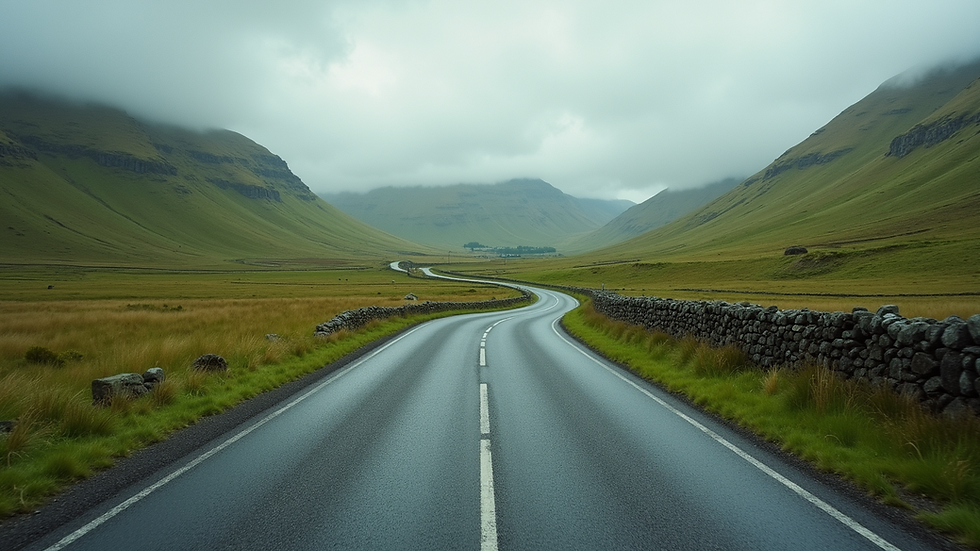
Car Rental: Renting a car is highly recommended if you want to explore rural areas and the Highlands at your own pace. Remember, driving is on the left side of the road.
Accommodation: Scotland offers a wide range of options from luxury hotels and cozy B&Bs to unique stays like castles and countryside cottages. Booking early, especially in peak seasons (summer and festivals), is essential.
For example, staying in Edinburgh’s Old Town puts you within walking distance of historic sites, while a countryside cottage in the Highlands offers tranquility and stunning views.
Are Americans Welcome in Scotland?
Many travelers wonder about the reception they will receive in Scotland, especially Americans. The answer is a resounding yes. Scotland is known for its warm hospitality and friendliness toward visitors from all over the world.
Cultural Openness: Scots are proud of their heritage but also very welcoming to tourists. You will find locals eager to share stories and recommendations.
Language: English is the primary language, making communication easy for American visitors.
Travel Documents: Americans do not need a visa for short tourist visits but should carry a valid passport. It’s wise to check the latest travel advisories before your trip.
Visitors often comment on the genuine kindness and helpfulness of Scots, making it a comfortable destination for Americans and other international travelers alike.
What to Pack for Your Scottish Adventure
Packing for Scotland requires some thought due to the country’s famously changeable weather. Here are some essentials to include:
Layered Clothing: Temperatures can vary widely, so pack layers you can add or remove easily.
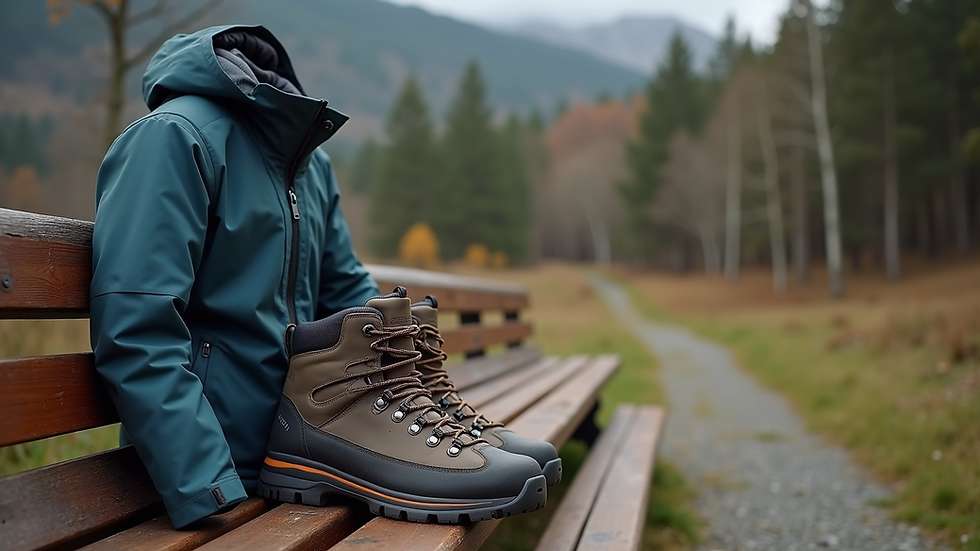
Waterproof Jacket: Rain is common year-round, so a good waterproof jacket is a must.
Comfortable Walking Shoes: Whether exploring city streets or hiking in the Highlands, sturdy shoes are essential.
Adapters and Chargers: Scotland uses the UK plug type (Type G), so bring appropriate adapters for your electronics.
Daypack: For day trips and hikes, a small backpack will keep your hands free and essentials close.
Don’t forget sunscreen and sunglasses for sunny days, as well as a hat and gloves if you’re visiting in colder months.
Exploring Scottish Cuisine and Local Customs
One of the joys of visiting Scotland is experiencing its unique food and traditions. Here are some tips to enhance your culinary and cultural experience:
Try Traditional Dishes: Sample haggis, neeps and tatties, Cullen skink, and fresh seafood. Many restaurants offer tasting menus featuring local ingredients.
Whisky Tasting: Scotland is famous for its whisky. Visit distilleries in regions like Speyside or Islay for tours and tastings.
Respect Local Customs: Scots appreciate politeness and friendliness. Saying “please” and “thank you” goes a long way.
Tipping: It’s customary to tip around 10-15% in restaurants if service is not included.
Engaging with locals at pubs or markets can provide authentic insights into Scottish life and culture.
Best Time to Visit Scotland and Festival Highlights
Choosing when to visit Scotland depends on your interests and tolerance for weather conditions.
Summer (June to August): Warmest and busiest season. Ideal for festivals like the Edinburgh Fringe and Hogmanay (New Year’s celebrations).
Spring and Autumn: Fewer tourists and beautiful natural colors. Good for hiking and sightseeing.
Winter: Cold and dark but magical, especially around Christmas. Some attractions may have limited hours.
If you want to experience Scottish culture at its liveliest, plan your trip around major festivals. The Edinburgh Festival Fringe in August is the world’s largest arts festival, offering thousands of performances.
Final Thoughts on Your Scotland Travel Planning Journey
Scotland offers a rich tapestry of experiences for every traveler. By preparing well and embracing the local culture, your trip will be memorable and rewarding. Remember to check the latest travel information and weather forecasts as part of your scotland travel planning.
For more detailed advice and updates, explore this scotland travel tips resource to help you plan your perfect Scottish adventure.
Happy travels and enjoy the magic of Scotland!


Comments